Care at Hospice
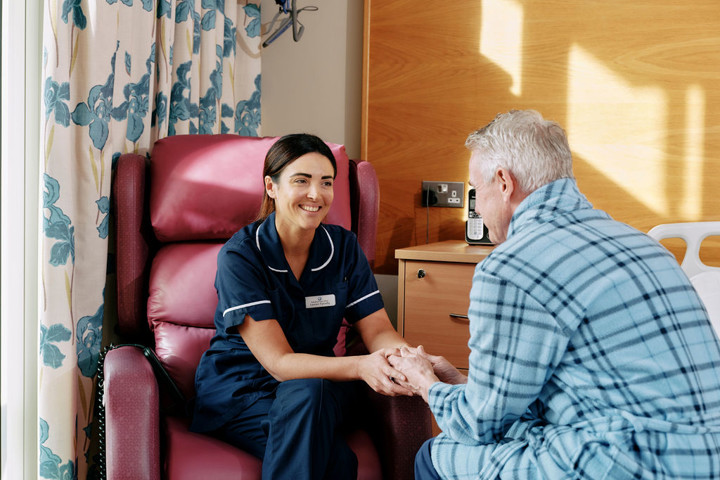
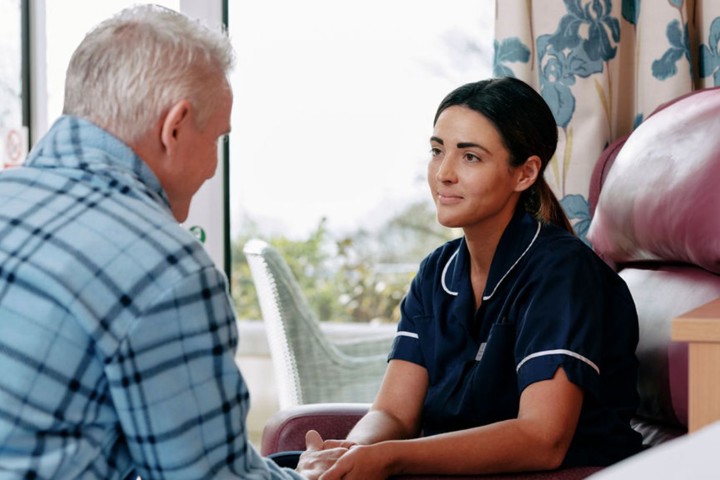
We provide round the clock care on our In Patient Unit, where you can be looked after in a home away from home environment.

We provide round the clock care on our In Patient Unit, where you can be looked after in a home away from home environment.


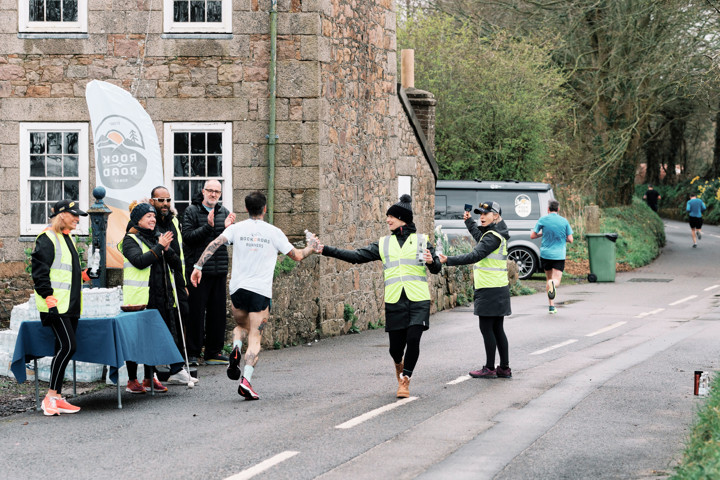
We rely on the support of the community to enable us to continue caring for patients and to support their families and loved ones. It costs £22,000 a day to run our services. Your support makes a huge difference.

Friday 15 May 2026
Elisa Da Silva
This is the first in a series of ‘day in the life’ where I’m shadowing my colleagues in their various roles at Hospice. I’m Elisa, Communications and Engagement Officer working within the Income Generation team at Hospice. To boil it down, my role is to raise awareness of Hospice and all its services, tell our stories, and boost our fundraising. In order for me to do this effectively, I thought it was about time I stepped into the shoes of my colleagues to see first-hand what we do and how we do it.
When most of us think of Hospice, our first thought is usually end of life. And that’s not wrong, but there’s so much more to it. Not only do we support people in their final days or weeks, but we also provide support for people with life-limiting conditions who might need symptom management, emotional and bereavement support (not just for people who’ve been through Hospice care, it’s for anyone who’s experienced the death of a loved one), education for professionals and home carers, and more.
The Living Well Team is a new team which launched in the late summer of 2025. The team is made up of experienced nurses who go out in the community to help with several aspects of care, including physical challenges, emotional or psychological support, guidance with spiritual or existential questions, social or financial worries, and help with planning for the future and making sure you’re able to make informed choices. Their priority is holistic care and getting an overall picture of the individual and how we might be able to help – either with direct support, signposting other organisations that can help, or a bit of both.
After putting the feelers out to arrange some shadowing, my colleague Alex replied straight off the bat and said, “You can come with me tomorrow if you’re free?” Much sooner than I’d anticipated, but I was all in. He said to check in in the morning, and we’d see at what point in the day I’d be able to join, as part of his day included training another colleague, and he prefers to limit visits with patients to two people. That’s one of the first moments I noticed the consideration and care that goes in to making sure the people we support are comfortable and not overwhelmed with their visit from Hospice. After a stop-start morning (I thought I was going and then things changed for various reasons – the focus is always with patients at the centre of it and accommodating to their needs), I was in the car with Alex and ready to visit our first (his second) person in the community. On the way, Alex told me a bit about who we were visiting, their health conditions, and what else he knew about them in a care context or was planning to learn more about during the visit.
All of our visits that day were meeting with Alex for the first time.
We popped into a residential home to visit Bob*. Bob, an older gent, was sitting in an armchair in the corner of the room watching a bit of telly and chatting to his sister when we knocked. Alex introduced us, checked it was still a good time for a chat, and set down on the extra chairs the home workers brought in for us, asking to mute the TV while they talked. He checked in with Bob, how he was feeling, asking about his health issues, and if there were any symptoms he was struggling with. Bob was relatively open and willing to talk about his health, but you could tell Bob is one of those who ‘just gets on with it’ (he actually said as much himself when talking about some of his symptoms) and I noticed that the way Alex asked questions coaxed out a bit more information – which meant he was able to better understand how he could provide the right support to Bob. During the conversation, and I call it that because although there were quite a few questions, it didn’t feel like a Q&A, but a conversation where Alex also spent time getting to know Bob’s background – including a lovely chat about his working life, after spotting a photo hanging up on the wall with his former colleagues. After maybe 45 minutes to an hour – I hadn’t thought to check the time, but it was definitely an in depth chat – we were saying our goodbyes and having a catch up with the team at the home. At this point, Alex discussed aspects of his care and mentioned some of the follow ups he’d be doing with Bob in the next few days and weeks. Then we were out and about heading to see the next person.
We had a bit of time in between, and Alex said we had to take the opportunity to grab some lunch as you don’t always know how long you might be with the next person, so eat when you can! As you do when you’re grabbing a bite with a colleague, we chatted about a variety of things – work and non-work related. Alex is with Hospice on an agency basis, having come over from the UK. He’s worked in Jersey before, at the General Hospital, and has worked in various health care settings, including health visits to prisoners (and you can imagine some interesting stories there!)
On the next visit, we first met with the daughter of the individual. We had quite a lengthy discussion before seeing Jim* as there were a couple of different factors that would affect the conversation Alex was about to have with him. We spent another good length of time with Jim, with Alex trying to establish how he might be able to support him with his various conditions. There were challenges with communication, due to a possible health issue that needed to be further investigated, and Alex said he'll keep in touch with them both and follow up after their next doctor’s appointment.
On the last visit, we drove to the other side of the Island to another residential and nursing home, chatting on the way about who we were seeing next, and more generally about Alex’s role. When I asked about the change of pace from the UK to Jersey, and the various roles he’s had in nursing, he said palliative care is still his favourite and the type of care he’s most passionate about, and it definitely showed in the day I spent with him. When we arrived at the home, Alex had a chat to the staff there about Pat* before we went to see him. They mentioned there was an upcoming appointment which could affect the type of support he may need, so we went up to see Pat with that knowledge in mind. When we arrived at Pat’s door, he had three people in with him visiting, his wife, son, and a family friend. Alex knocked on and introduced us and checked if now was a good time to chat. They didn’t seem to be expecting us, so Alex explained why he was there and more about the Living Well Team – what they do and how they can help. As he began talking to Pat and his wife, it became clear that they might not be ready to have these discussions (Pat’s wife seemed quite overwhelmed, looking between her husband, son, and friend as she spoke to Alex, and had that wobble in her voice that we’ve all had when you know all it would take is someone asking “are you ok?” to tip you over the edge), and they also mentioned the upcoming appointment in which they were expecting more information that could affect Pat’s circumstances, and his care. So, Alex asked if they’d be happy for him to follow up with them after that appointment, where they can chat through what’s discussed and how we might be able to help out. He also left his contact details (he did this with all three people we visited) in case they had any questions in the meantime or wanted to get in touch.
As we left, Alex told me that you often have to be flexible with these visits, especially early on, as sometimes individuals or their families might still be processing a prognosis and not ready to talk about coming to the last days, weeks, or months of their lives. It really highlighted the vast differences between the people we see. It’s not just people with cancer or heart disease – and actually quite often people have more than one condition that has led to this point. Every person we saw that day had more than one health issue.
As we were arriving back at Hospice, Alex told me he would now be writing up all of the day’s meetings, and either making the follow up calls there and then or scheduling when those calls would be made, depending on availability to the various organisations he’d need to contact. He’d also be scheduling follow up meetings with each individual as part of the ongoing support his team provide. For me, I was able to head home and reflect on the day. It was tiring – being on the go and having quite thought-provoking and serious conversations, and it was also eye opening – seeing what my colleagues in the Living Well Team do on a day to day basis, and the kind of resilience and compassion they have to have to be able to do that day in, day out. While I’ve always respected all of my colleagues and the amazing work they do across the various departments, it did give me a much better understanding of it, and a new appreciation into what goes into the support we provide from an early stage for someone coming to the end of their life.
*all names are changed to protect patients’ privacy